
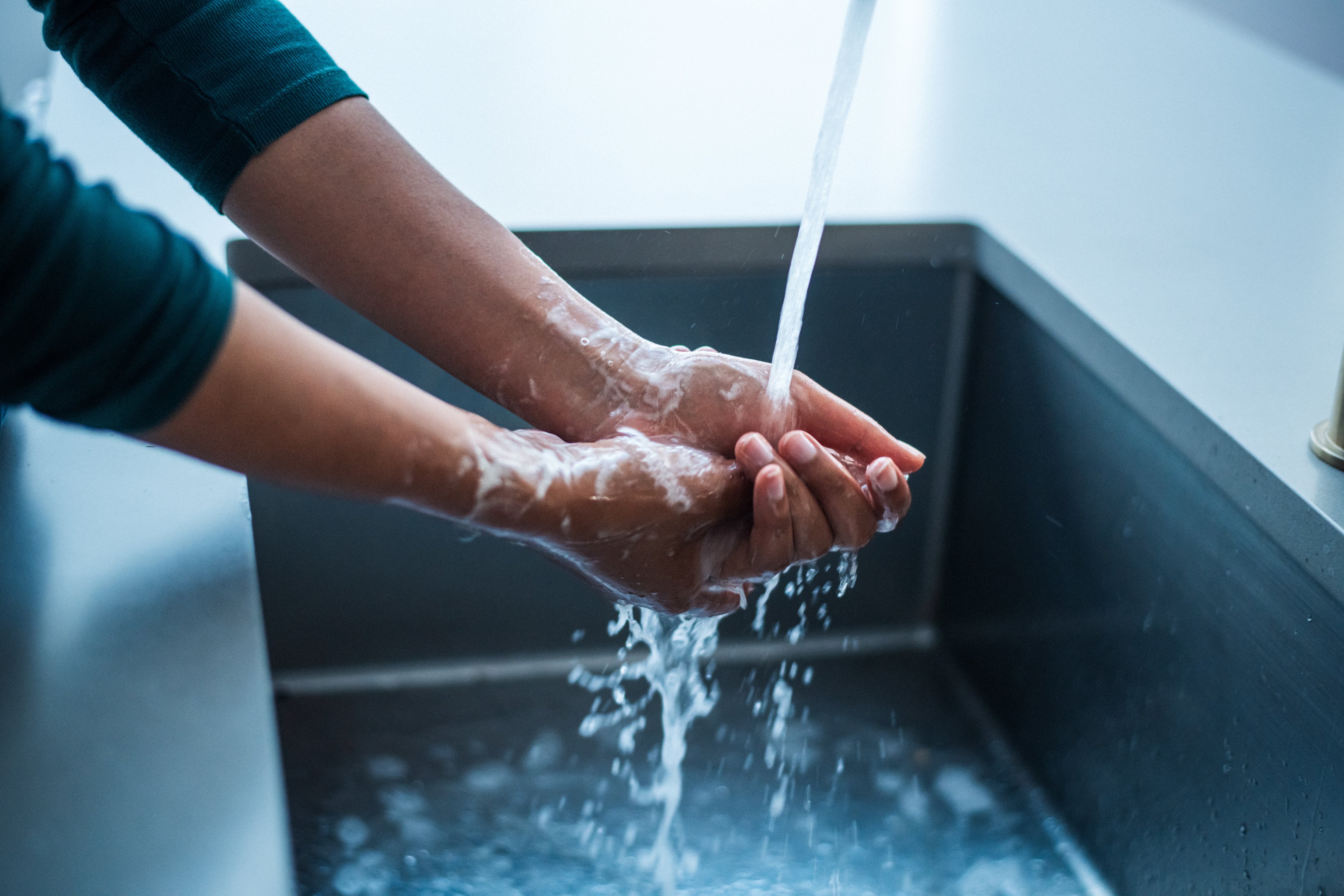
Keep Calm and Scrub On: The Importance of Hand Hygiene in Healthcare

Now is the perfect reminder to revisit the cornerstone of infection control: hand hygiene! Sure, you've got top-notch equipment, carefully selected PPE, and a friendly chairside manner, but all of that can fall short if we forget one of the basics: clean hands!
Why Hand Hygiene Matters in a Medical or Dental Setting
Did you know that your hands are the most common way germs spread? Well, our hands are like little explorers, venturing into the great unknown of patient care. They touch surfaces, gloves, instruments, and—most importantly—people! Every handshake, every instrument grab, and every patient touch is an opportunity for bacteria to make an unwanted guest appearance. And nobody invited those pesky pathogens to the party!
Ensuring your hands are kept clean is not only a basic practice but also a powerful tool in stopping the spread of infections. Consider it a magic shield – an unseen force that safeguards both yourself and your patients. Whether you're scrubbing up for a surgical procedure or simply sanitizing your hands in between tasks, each wash and rub plays a crucial role in maintaining a safe environment!
How to Wash Your Hands Properly
Here is a quick refresher on how to wash your hands effectively. Please note: these are the steps for normal hand washing. If you are doing a surgical scrub, make sure to scrub hands and forearms for the length of time recommended by the manufacturer. Note: for routine hand hygiene between patients, an alcohol-based hand rub is generally the preferred method — use the handwashing steps below whenever your hands are visibly soiled, or after known or suspected contact with spore-forming organisms.
Step #1: Wet your hands with clean, running water (warm or cold).
Step #2: Apply soap - rub hands together until soap forms a lather. Make sure to cover all surfaces - front, back, between fingers, on thumbs, on wrists, and under nails.
Step #3: Scrub, scrub, scrub - for at least 20 seconds! Sing a song like "Happy Birthday" - twice!
Step #4: Rinse your hands well under clean, running water. Try not to touch the faucet with your clean hands when turning the water off. Use your elbow or paper towel instead.
Step #5: Dry your hands with a clean paper towel or let them air dry. Don't forget to moisturize.
How Often Do I Need To Perform Hand Hygiene?
As medical or dental professionals, frequent handwashing is a crucial aspect of our daily routine. It may feel like we're constantly washing our hands, but remember, hand hygiene is the cornerstone of infection control. So, be sure to:
- Wash your hands before and after tending to each patient or handling dental cases, regardless of glove use.
- After removing gloves, promptly practice hand hygiene to prevent any potential contamination.
- Prior to and after interacting with instruments and equipment, ensure your hands are clean.
- After touching contaminated surfaces in the patient care area, remember to wash your hands.
- Before and after eating, drinking, or handling food, cleanse your hands to halt the spread of germs.
- After using the restroom, eliminate any potential pathogens by practicing hand hygiene.
- Following coughing, sneezing, or blowing your nose, wash your hands to rid any transferred germs from the respiratory tract.
Hand hygiene isn’t just a box to check; it’s the bedrock of infection control.
Your hands are not just tools — they are the heroes, the unsung stars that deserve the utmost care and attention. In healthcare, clean hands are not just a recommendation, they are an absolute necessity. They are the guardians of health, the protectors of well-being, and the gatekeepers of infection control. So, go ahead, pamper those hands, show them the love and care they deserve, because in the grand scheme of things, your hands are not just important—they are essential to the safety and success of your practice.
Make Hand Hygiene Part of the Routine
Make sure your staff knows when to reach for which: For routine hand hygiene when hands are not visibly soiled, an alcohol-based hand rub containing at least 60% alcohol is generally preferred. Use soap and water when hands are visibly soiled or when soap and water are otherwise specifically indicated.
Provide readily accessible hand-hygiene supplies wherever patient care is provided, and make sure your team understands that gloves do not replace hand hygiene.
Good hand hygiene isn't complicated. The key is making it a consistent part of patient care.
Let's keep spreading the word about the significance of hand hygiene—every day, not just during certain times of the year.
Good hand hygiene is only one part of protecting yourself and your patients. Pair clean hands with the rest of your infection-control routine — see our guides to proper PPE removal and choosing PPE that actually fits.
For additional information, see the Centers for Disease Control and Prevention (CDC) guidance on Standard Precautions and Hand Hygiene for Healthcare.
Is your team's infection control training up to date? SafeLink's OSHA and CDC-aligned training helps your staff put PPE selection, removal, and hand hygiene into practice — not just check a box. Explore Infection Control Training →
Learn more about what SafeLink Consulting can do to help your organization with compliance services, including infection control, OSHA safety and training requirements, HIPAA privacy practices, and quality management system consulting to support FDA compliance.
Infection prevention training for your team
Keep your team current with CDC-aligned infection prevention and control training — built around how your practice actually operates.
Explore infection control training ↗ Mary A. Bartlett, Senior Vice President & Founder of SafeLink Consulting, has spent more than three decades at the forefront of dental industry compliance and safety. Since 1991, she has been a trusted presenter and on-site instructor for dental and general industry professionals across the United States, Canada, and Asia — delivering expertise on employee health and safety, patient safety, privacy, and quality assurance. She has authored content for numerous national publications, and her clients consistently benefit from her hands-on experience navigating OSHA, FDA, and State Board inspections.