Dental Unit Waterline Maintenance: OSHA, CDC & ADA Compliance Guide

Don't Overlook What's Running Through Your Waterlines
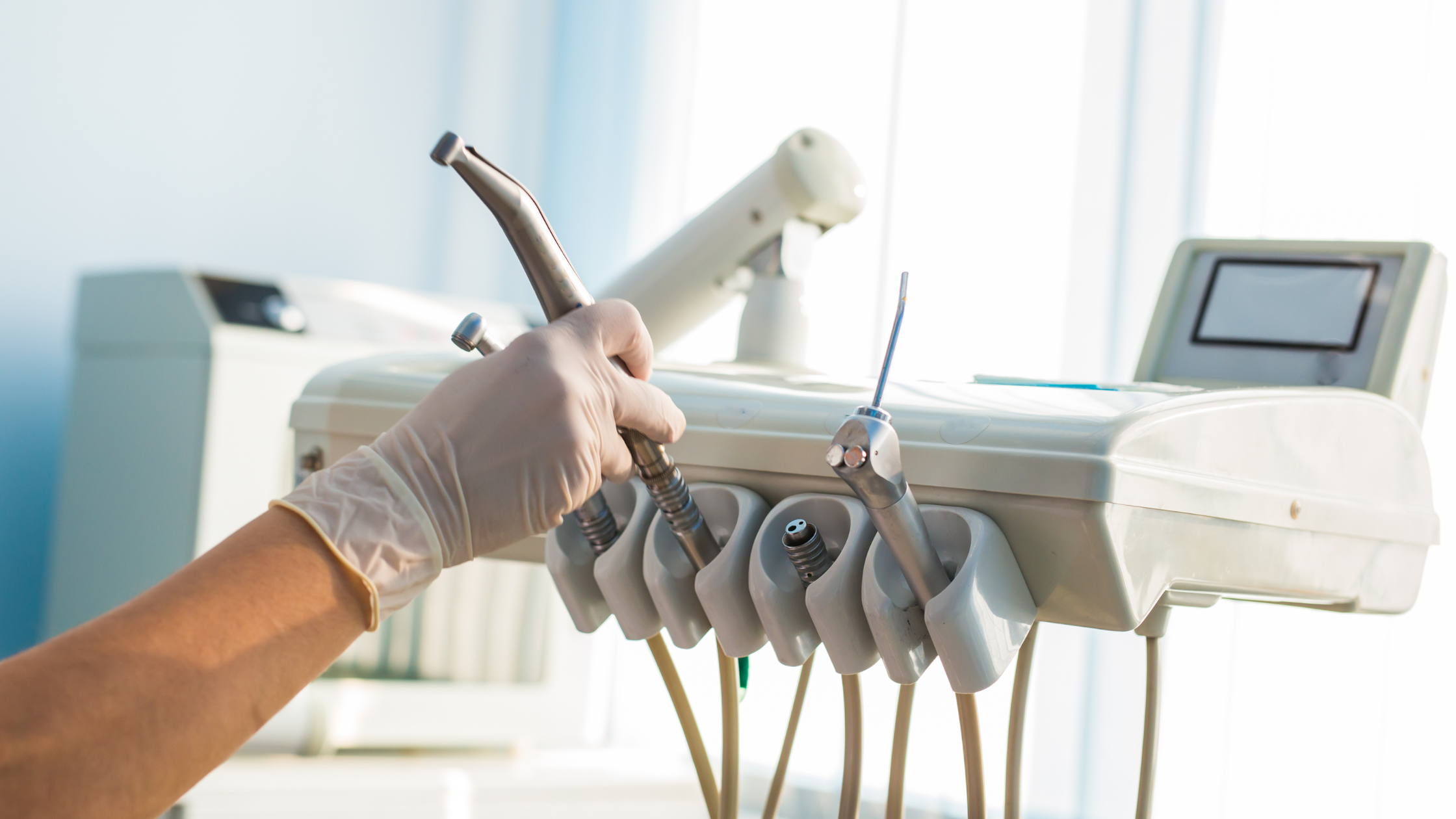
Dental unit waterlines (DUWLs) don't get the same daily attention as sterilization or PPE, but contaminated waterlines have caused serious, documented infections in dental patients across the country — including children and other vulnerable patients. The CDC has published waterline guidance for years, yet waterline maintenance is still one of the most commonly overlooked areas of an infection control program.
Children and immunocompromised patients are at greatest risk, but healthy adults are not exempt. A written, tested Safe Water Policy is the difference between assuming your water is safe and being able to prove it.
What CDC, OSHA, ADS, and the ADA Expect
The CDC sets the clinical benchmark: water used for non-surgical procedures should measure at or below 500 CFU/mL of heterotrophic bacteria — the same standard the EPA applies to drinking water. Surgical procedures require sterile water or saline delivered through a device that bypasses the dental unit entirely. Left untreated, contaminated lines can harbor organisms such as Legionella and Pseudomonas aeruginosa.
OSHA has no dental-specific waterline standard, but that does not put waterlines outside its reach. OSHA's own compliance guidance for medical and dental offices points practices back to the CDC's recommendations, and a practice can still be cited under the Bloodborne Pathogens Standard or the General Duty Clause if contaminated water creates a recognized hazard.
The Association for Dental Safety (ADS, formerly OSAP) treats a written, tested Safe Water Protocol as baseline standard of care. The American Dental Association reinforces the same 500 CFU/mL benchmark and evaluates waterline treatment products against ANSI/ADA Standard No. 167 — and cautions against warming dental water, since warmer temperatures accelerate biofilm growth. A growing number of states are moving from “should test” to “must test,” so this is quickly becoming a documented legal expectation, not just a best practice.
Join us live: SafeLink is hosting a Safe Water webinar on September 22. Register here to get your waterline questions answered.
The 3 Steps to Safe Water: Shock, Treat, Test
Shock — Use a strong, data-backed disinfectant to break down biofilm buildup inside the lines. Some products require shocking on consecutive nights. Flush thoroughly the next morning; incomplete flushing is one of the most common reasons shocking fails.
Treat — Between shock cycles, a low-level antimicrobial (tablet, straw, or continuous inline device) keeps lines clean during patient care. Choose products validated against ANSI/ADA Standard No. 167 or backed by independent testing data, and confirm compatibility with your specific unit.
Test — Testing is the only way to confirm your protocol is working. Follow the testing frequency in the product or equipment manufacturer's instructions for use (IFU); where recommendations conflict, use the more frequent schedule.
Testing Options and Documentation
Testing methods range from rapid in-office kits with same-day results to mail-in laboratory testing that typically takes 24 hours to 5-7 days, depending on the method (compliance labs such as ProEdge offer this full range, along with dashboards for tracking results across multiple locations). A multi-location practice or dental service organization will weigh those options differently than a single-doctor office.
Whichever method you choose, keep test results, shock and treatment logs, and manufacturer IFUs on file. Documentation is what turns “we think our water is safe” into proof — and it's what OSHA inspectors and ADS-informed best practice expect to see if your Safe Water Protocol is ever questioned.
Make Waterline Safety Part of Your Compliance Program
Contaminated waterlines are a preventable source of dental infection, and a simple, consistently followed Safe Water Policy is what protects patients and the practice alike. Offices that keep the process simple — shock, treat, test, document — consistently get passing results.
Why is it crucial to evaluate your sterilization procedures? Learn about the potential repercussions of overlooking proper sterilization protocols in dental practices.
Need help writing a Safe Water policy? Contact us.
SafeLink Consulting helps dental practices, dental laboratories, and medical practices meet OSHA, EPA, and CDC requirements through safety compliance, infection control training, HIPAA training, quality management systems, assessments, audits, and due diligence.
Discover more about how to achieve Dental OSHA compliance.
This content is for informational purposes only. Not legal or regulatory advice.
Keep your team safe and inspection-ready
Talk to a SafeLink OSHA advisor about your safety program, training, and exposure controls.
Talk to an OSHA advisor ↗ Mary A. Bartlett, Senior Vice President & Founder of SafeLink Consulting, has spent more than three decades at the forefront of dental industry compliance and safety. Since 1991, she has been a trusted presenter and on-site instructor for dental and general industry professionals across the United States, Canada, and Asia — delivering expertise on employee health and safety, patient safety, privacy, and quality assurance. She has authored content for numerous national publications, and her clients consistently benefit from her hands-on experience navigating OSHA, FDA, and State Board inspections.